
Glasgow, Scotland · opened 1899
Capacity 51,700. Who plays here, the matches it is known for, and how to get there.
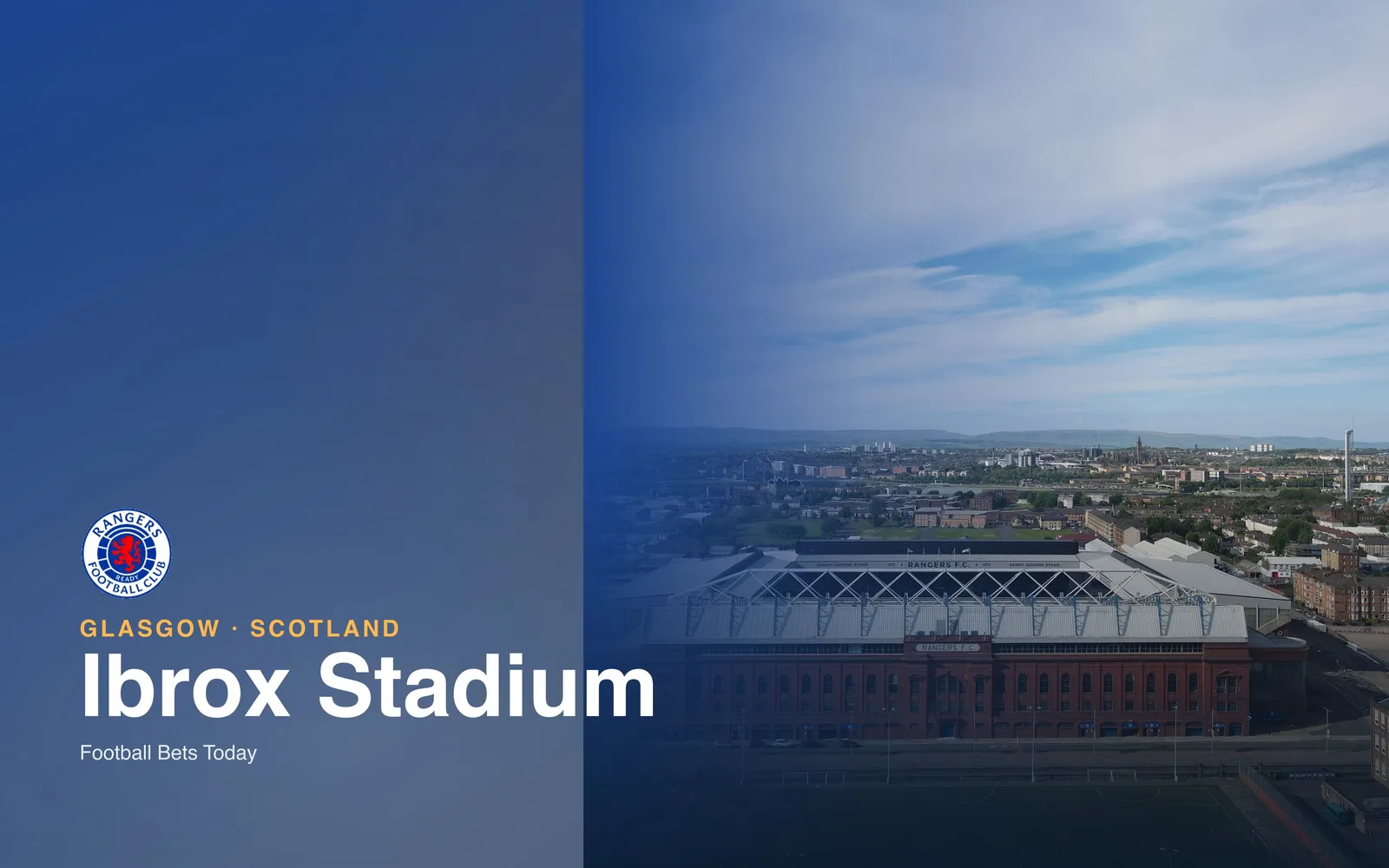
The ground
Facts
| Capacity | 51,700 |
|---|---|
| Opened | 1899 · renovated 1978–81 (Copland, Broomloan and Govan Stands), 1990–91 (Main Stand Club Deck), 2024 (Copland Stand) |
| Official name | Ibrox Stadium (called Ibrox Park until 1997) |
| Surface | hybrid |
| Owner | Rangers |
| Record attendance | 118,567 · Rangers v Celtic (1939) |
| Getting there | Glasgow Subway (Ibrox and Cessnock stations), buses on Paisley Road West, and M8 junction 23 nearby. |
History
Matches it is known for
- 1902 Scotland v England stand collapse, 25 killed
- 1938 Empire Exhibition opening
- 1971 Stairway 13 disaster, 66 killed
- 1997 Scottish Cup Final
- 2014 Commonwealth Games rugby sevens
In depth
About Ibrox Stadium
Key takeaways
- Ibrox Stadium has an all seated capacity of 51,700 following the September 2024 redevelopment.
- To see how Ibrox compares with other grounds, compare current capacities in the Scottish stadium list.
- Rangers men play at Ibrox, with Rangers Women also using the ground from 2025.
- Ibrox is the nearest Glasgow Subway station, with Cessnock also serving the ground.
- Ibrox Park became Ibrox Stadium in 1997.
Ibrox Stadium is the home of Rangers in Govan, Glasgow, with an all seated capacity of 51,700 following its September 2024 redevelopment. Rangers men play there, and Rangers Women began using the ground in 2025, making it a football destination for supporters whose Saturday viewing might begin with soccer in Johannesburg or football in Lagos.
The sections below cover the nearest Subway station, how the seating is arranged, how UK kick-off times convert for Nigeria, Ghana, South Africa, Kenya and Uganda, and the ground's dated history, from its opening in 1899 to the 1902 and 1971 disasters that are remembered with respect.
What Is the Capacity of Ibrox Stadium?
Ibrox capacity reached 51,700, all seated, after the Copland Stand redevelopment in September 2024. To see where that sits among other grounds, compare current capacities in the Scottish stadium list. When comparing football stadiums, distinguish a ground's seated capacity from the attendance recorded for a particular match, which can reflect different arrangements.
The record crowd belongs to a very different stadium era. On 2 January 1939, 118,567 people attended the league match against Celtic, the highest attendance recorded for a British league fixture. That historical figure describes Ibrox when extensive standing terraces held spectators. For a visit, use the modern capacity and your allocated seat, rather than imagining the ground still accommodates that earlier crowd.
Who Plays at Ibrox Stadium?
Rangers men are the principal tenants, while Rangers Women began using Ibrox in 2025. The ground is associated with Scottish Premiership football and European ties, as well as the Old Firm derby against Celtic. Check the venue attached to each fixture, especially for the women's team, rather than assuming that every home match necessarily takes place at the same ground.
For Nigerian readers, the 2022 Europa League final offers a useful connection: Joe Aribo scored against Eintracht Frankfurt, with Calvin Bassey also in the Rangers side. That final was played in Seville on 18 May 2022, a 21:00 local kick-off that fell at 19:00 GMT in Ghana, 20:00 WAT in Nigeria, 21:00 SAST in South Africa and 22:00 EAT in Kenya and Uganda. Historical connections give supporters something lasting to follow; the squad and fixtures modules establish which African players and matches belong to this season.
How Do I Get to Ibrox Stadium?
Take the Glasgow Subway to Ibrox station, with Cessnock as an alternative, for the ground at 150 Edmiston Drive, Glasgow G51 2XD. Allow time for walking and queueing on top of the ride itself. Station names are the most useful thing to learn when reading signs for the first time.
From Glasgow Central, walk to St Enoch Subway station, then board for Ibrox. From Queen Street, walk to Buchanan Street Subway station and continue to Ibrox. From Glasgow Airport, take a city centre bus, check its stopping points, then walk to the appropriate Subway station. Consult the public transport journey planner before travelling, since service changes and match day queues can affect each connection.
Why Is It Called Both Ibrox and Ibrox Park?
Ibrox Park and Ibrox Stadium are two names for the same Rangers home ground: Ibrox Park became Ibrox Stadium in 1997. Older match reports naturally retain the earlier name, while supporters commonly shorten either version to plain Ibrox. When arranging travel, use the stadium's full name and Edmiston Drive address, because Ibrox also names the surrounding district and its Subway station.
Where in Glasgow Is Ibrox?
Ibrox stands in the Govan area of south west Glasgow, south of the River Clyde. It is outside the central railway station area, so leave room for the onward journey when booking trains or accommodation. For visitors arriving from Lagos, Accra, Nairobi, Johannesburg or Kampala, a Glasgow arrival time is only the beginning of the local transfer; reaching your entrance takes additional time.
How Did Ibrox Develop After Opening in 1899?
Ibrox opened on 30 December 1899, when Rangers beat Hearts 3 to 1, and its development includes both architectural achievement and profound loss. On 5 April 1902, wooden terracing collapsed during Scotland against England, killing 25 people and injuring 517. On 2 January 1971, a crush on Stairway 13 after the Old Firm match killed 66 people. Both events require factual, respectful remembrance.
Archibald Leitch designed the Main Stand in 1928, and it opened on 1 January 1929. It became a Category B listed building in 1987. The Copland Road, Broomloan Road and Govan stands replaced terracing between 1978 and 1981; the Main Stand's Club Deck followed in 1990 and 1991. These changes explain why the historic frontage and the seated interior belong to different stages of development.
How Are the Stands Arranged at Ibrox?
Ibrox has four principal stands: the Main Stand, Sandy Jardine Stand, Broomloan Road Stand and Copland Road Stand. The Sandy Jardine Stand faces the Main Stand across the pitch; it was previously the Govan Stand and received its new name on 16 July 2014. Broomloan Road and Copland Road occupy the ends behind the goals, giving the seating plan a straightforward starting point.
Read your ticket to find your entrance and seating section before joining a queue. The Main Stand's Club Deck is an upper seating area, so check access information if stairs or height affect your plans. Away allocations depend on the fixture, and a stand name alone does not establish where visiting supporters will sit. Follow the match's ticket information when choosing your approach to the ground.
What Should African Visitors Know About Match Day?
Plan an Ibrox visit around a confirmed ticket and the published kick-off, particularly for an Old Firm fixture. Begin with the club's official ticketing information and follow the relevant sale or membership process, without treating availability as certain. Allow time for transport queues, entry checks and finding your seat. Allow extra time for the transfer from Glasgow arrival to your entrance.
The Old Firm atmosphere is a major attraction, but your ticket's supporter section should guide where you sit and enter. For a quieter look at the ground, check the stadium tour programme and its booking conditions before arranging travel. Tours offer a different perspective from watching a match, although the spaces available can depend on stadium operations. Keep your booking details accessible throughout the visit.
Which Other Major Events Has Ibrox Hosted?
Ibrox has hosted Scotland internationals and cup finals, as well as occasions well beyond Rangers football. The Empire Exhibition opening ceremony took place there on 3 May 1938, with about 146,000 people present. That event attendance is separate from the football record set in 1939. The distinction matters when comparing historical crowds: a ceremony and a league match use the same venue for different purposes.
The 1997 Scottish Cup final and the rugby sevens competition at the 2014 Commonwealth Games also belong to its history. Scotland beat Georgia 1 to 0 at Ibrox in a European Championship qualifier in October 2014. These occasions broaden the ground's identity, giving visitors reasons to recognise it even when their first connection comes through international football or another sport.
How Can Fans Across Africa Follow Ibrox Matches?
Viewing information differs from one country to the next, so look up the broadcast details for your own location and the competition you want. Broadcast arrangements can differ between domestic league matches and European ties. Use the fixtures module for the confirmed date, venue and local kick-off; use the table for competition position and the results module for completed matches. Historical stadium records answer a different question from those changing figures.
UK daylight saving changes the conversion, while Ghana remains on GMT, Nigeria on WAT, South Africa on SAST, and Kenya and Uganda on EAT. The comparison below uses a 15:00 UK kick-off as an example, not as a standing fixture time. Before arranging a viewing centre visit or a stadium journey, check the actual date and confirmed kick-off in your local zone.
| UK Clock | Ghana: GMT | Nigeria: WAT | South Africa: SAST / CAT | Kenya and Uganda: EAT |
|---|---|---|---|---|
| GMT, winter | 15:00 | 16:00 | 17:00 | 18:00 |
| BST, summer | 14:00 | 15:00 | 16:00 | 17:00 |
FAQ
What is the capacity of Ibrox Stadium?
Ibrox Stadium has an all seated capacity of 51,700 following the September 2024 redevelopment. Its record football attendance was 118,567 against Celtic on 2 January 1939, during the terracing era.
Who plays at Ibrox Stadium?
Rangers men play at Ibrox, and Rangers Women began using the stadium in 2025. Check the venue listed for each individual fixture.
How do I get to Ibrox Stadium?
Take the Glasgow Subway to Ibrox station; Cessnock is another option. From Glasgow Central, walk to St Enoch, or use Buchanan Street from Queen Street. Check the transport route and your ticket's entrance before setting off.
Why is Ibrox Stadium also called Ibrox Park?
Ibrox Park became Ibrox Stadium in 1997, so older reports use the earlier name. Both refer to the Rangers home ground at 150 Edmiston Drive, Glasgow G51 2XD.
Where is Ibrox Stadium in Glasgow?
Ibrox stands in the Govan area of south west Glasgow, south of the River Clyde. It is outside the central railway station area, so leave extra time for the onward journey from your arrival point.
Written by Tunde Akinwande, 2026-11-11.